


The Channel Islands were the only occupied part of the British Isles during the Second World War. German forces invaded Guernsey on 30th June 1940, where they remained for five years until 9th May 1945, now celebrated as Liberation Day. The remnants of the Occupation are still visible across our Islands with fortifications dotted along the coastline and unique museums documenting this important part of our past.
Language
Our WW2 History
-
Evacuation
Find out more about the evacuationEvacuation to the UK took place amidst chaos and panic shortly after the invasion. Opinion was divided on whether it was best to remain on-Island or flee. In Guernsey, evacuation began with the children in advance of forces arriving. On 19th June, parents were told to register their children for evacuation and prepare to say goodbye the next morning. In fact, evacuation boats were still departing St Peter Port when the German air force attacked. Four-fifths of the children and almost half of Guernsey's population managed to leave for England.
-
Invasion
Learn about the invasionThe Germans launched an attack on St Peter Port on the 28th June 1940. The bombing raid targeted tomato trucks (mistaken for military vehicles) that were lined up at the harbour, killing 33 civilians. Upon realising the island was undefended, the Germans advanced with no further force, with officers arriving on the 30th June to accept Guernsey’s surrender.
-
Fortifications
See the fortificationsHitler issued orders to convert the Channel Islands into an impregnable fortress as part of his ‘Atlantic Wall’, heavily fortifying the only British territory he would ever conquer. This meant that by 1944, Guernsey’s coastline was covered in concrete fortifications. Hundreds of reinforced bunkers, gun emplacements and tunnels were constructed, transforming the tiny archipelago into the most fortified place on earth.
-
![]()
Occupation
Uncover the occupationMuch changed during the Occupation, starting with a shift to Central European time and curfews. Identity and ration cards were issued and a population census was conducted. Any information on the progress of the war was filtered and distorted by Nazi propaganda. Despite little communication with the outside world and a huge enemy population, there were still small acts of resistance from Islanders. Following D-Day, supplies to the Island dried up and by the winter of 1944, Guernsey was on starvation rations, to the point where locals and Germans alike were at risk of starvation.
-
Liberation
Learn about liberationAfter five long years of occupation, on May 9th 1945 all German flags were lowered across the Island and British officers stepped back onto Guernsey’s shores to liberate the Island. Thousands of Islanders crowded into St. Peter Port to celebrate. Liberation Day is now celebrated as a national holiday throughout the Channel Islands, commemorating the occupation and celebrating freedom and liberty.


Discover our WW2 History
-
![]() Fortification / Heritage / Indoor / MuseumGerman Underground HospitalThe German Underground Hospital is the largest structural reminder of the German Occupation existing in the Channel Islands.
Fortification / Heritage / Indoor / MuseumGerman Underground HospitalThe German Underground Hospital is the largest structural reminder of the German Occupation existing in the Channel Islands. -
![]() Outdoor / Heritage / Tour / Fortification / Water SportsBunkers and towers WWII RIB CruiseBook a fascinating cruise around the coast with Island Rib Voyages to see the Island’s formidable sea-facing defences.
Outdoor / Heritage / Tour / Fortification / Water SportsBunkers and towers WWII RIB CruiseBook a fascinating cruise around the coast with Island Rib Voyages to see the Island’s formidable sea-facing defences. -
![]() Family Friendly / Fortification / Heritage / Indoor / MuseumGerman Naval Signals HQThe German Naval Signal HQ was responsible for all radio traffic to and from Germany and the other Islands during the Occupation.
Family Friendly / Fortification / Heritage / Indoor / MuseumGerman Naval Signals HQThe German Naval Signal HQ was responsible for all radio traffic to and from Germany and the other Islands during the Occupation. -
![]() Family Friendly / Indoor / MuseumGerman Occupation MuseumLocated within walking distance of the island's airport, the German Occupation Museum provides a unique insight into life in Guernsey during the...
Family Friendly / Indoor / MuseumGerman Occupation MuseumLocated within walking distance of the island's airport, the German Occupation Museum provides a unique insight into life in Guernsey during the... -
![]() Fortification / MuseumLa Valette Underground Military MuseumThis museum covers Guernsey's military history, including World War One and the German Occupation of the island from 1940 to 1945 during World War...
Fortification / MuseumLa Valette Underground Military MuseumThis museum covers Guernsey's military history, including World War One and the German Occupation of the island from 1940 to 1945 during World War... -
![]() HeritagePaK BunkerThe Type 380 Bunker at Douglas Quay was constructed by the occupying German forces during WWII and would have housed a 7.5 cm PaK anti-tank gun.
HeritagePaK BunkerThe Type 380 Bunker at Douglas Quay was constructed by the occupying German forces during WWII and would have housed a 7.5 cm PaK anti-tank gun.


Places to Stay
-
![]() Guest Accommodation / GuernseyEl Tabora Guest HouseEl Tabora Guest House is a homely and comfortable guest house situated in St Peter Port.
Guest Accommodation / GuernseyEl Tabora Guest HouseEl Tabora Guest House is a homely and comfortable guest house situated in St Peter Port. -
![]() Self Catering / GuernseyLa RemiseLa Remise is a completely self-contained unit of accommodation, situated in a friendly extended-family setting based around a 16th century...
Self Catering / GuernseyLa RemiseLa Remise is a completely self-contained unit of accommodation, situated in a friendly extended-family setting based around a 16th century... -
![]() Self Catering / Guernsey5 & 6 Perelle CottagesIdeally situated on the west coast near local amenities.
Self Catering / Guernsey5 & 6 Perelle CottagesIdeally situated on the west coast near local amenities. -
![]() Self Catering / GuernseyLa Pompe Country ApartmentsAttractive self catering apartments in tastefully converted seventeenth century farmhouse property close to cliff walks and village shops.
Self Catering / GuernseyLa Pompe Country ApartmentsAttractive self catering apartments in tastefully converted seventeenth century farmhouse property close to cliff walks and village shops. -
![]() Self Catering / SarkChill Inn HomestaySelf catering Homestay run by Helen and Carl Le Poidevin, and their dog Jeremy the Beagle who live in the house. The house is situated just a few...
Self Catering / SarkChill Inn HomestaySelf catering Homestay run by Helen and Carl Le Poidevin, and their dog Jeremy the Beagle who live in the house. The house is situated just a few... -
![]() Self Catering / AlderneyAlderney AccommodationFirst choice for your relaxing self-catering accommodation in Alderney.
Self Catering / AlderneyAlderney AccommodationFirst choice for your relaxing self-catering accommodation in Alderney. -
![]() Self Catering / GuernseyBeau Vallon Holiday Apartments (3 star)Situated in the beautiful parish of St Pierre du Bois, only 2 minutes' walk from the sandy L'Eree beach.
Self Catering / GuernseyBeau Vallon Holiday Apartments (3 star)Situated in the beautiful parish of St Pierre du Bois, only 2 minutes' walk from the sandy L'Eree beach. -
![]() Self Catering / GuernseyImperial Hotel Self CateringUnrivalled panoramic sea views, safe sandy beaches with crystal clear waters and adjoining 20 miles of south coast cliff paths.
Self Catering / GuernseyImperial Hotel Self CateringUnrivalled panoramic sea views, safe sandy beaches with crystal clear waters and adjoining 20 miles of south coast cliff paths. -
![]() Camping / Glamping / GuernseyFauxquets Valley CampsitePeaceful campsite, centrally situated in the heart of Guernsey.
Camping / Glamping / GuernseyFauxquets Valley CampsitePeaceful campsite, centrally situated in the heart of Guernsey.


Events
-
Heritage15 DecHomecoming DayHomecoming Day is marked every year to commemorate the return to Alderney of the first group of...
-
Arts & Culture / Family Friendly / Heritage1 Jul 17:00 - 21:00Lé Viaër MarchiShowcasing traditional Island crafts, favourite foods, music and dancing, this is a gathering...
-
HeritageNo DatesShrine of the Sacred HeartLocated at Fort Hommet, Vazon in the Channel Island of Guernsey, discover the secret of a Second...
Get #ThatIslandFeeling


Exclusive Offers
Exclusive Offers
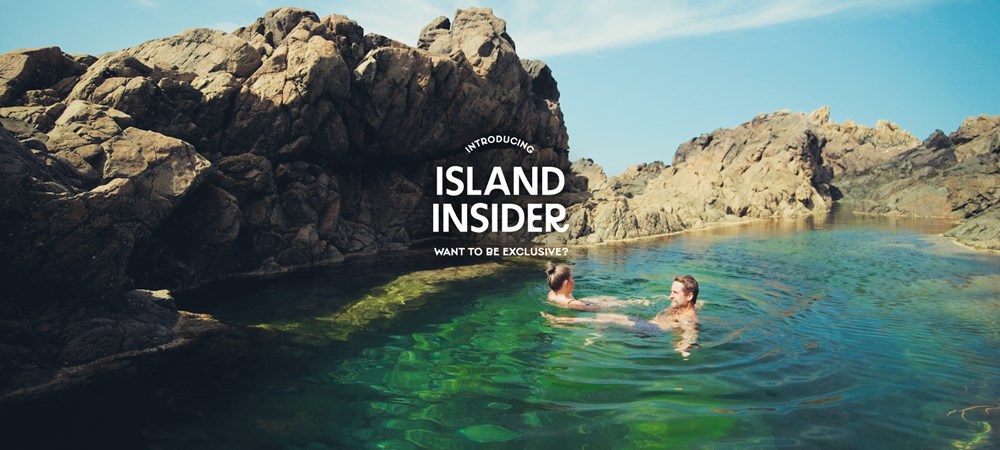
Offers, just for you. Island Insider is our club, and the only place you’ll get exclusive offers for the best accommodation and travel packages for your visit to the Islands of Guernsey. Sign up now to start your journey and find your perfect escape.